
You swing your legs out of bed, ready to start the day. Then you take that first step, and it hits you. A sharp, stabbing pain in the bottom of your heel that makes you wince. You hobble to the bathroom, and within a few minutes, the pain starts to fade. By mid-morning, you’ve almost forgotten about it. Until tomorrow morning, when it happens all over again.
If this sounds familiar, you’re not alone. This pattern of foot pain that’s worst with those first few steps after sleep or sitting is the classic signature of Plantar Fasciitis. It’s one of the most common causes of heel pain we see at Newtown Foot and Ankle Specialists, and it’s also one of the most misunderstood.
Our team of providers, led by Drs. William Lynde, Michael Lynde, Margaret Kerins, and Kenneth Lai, helps patients from Newtown, New Hope, Yardley, and the Trenton area find lasting relief. Let’s break down what is happening and what you can do about it.
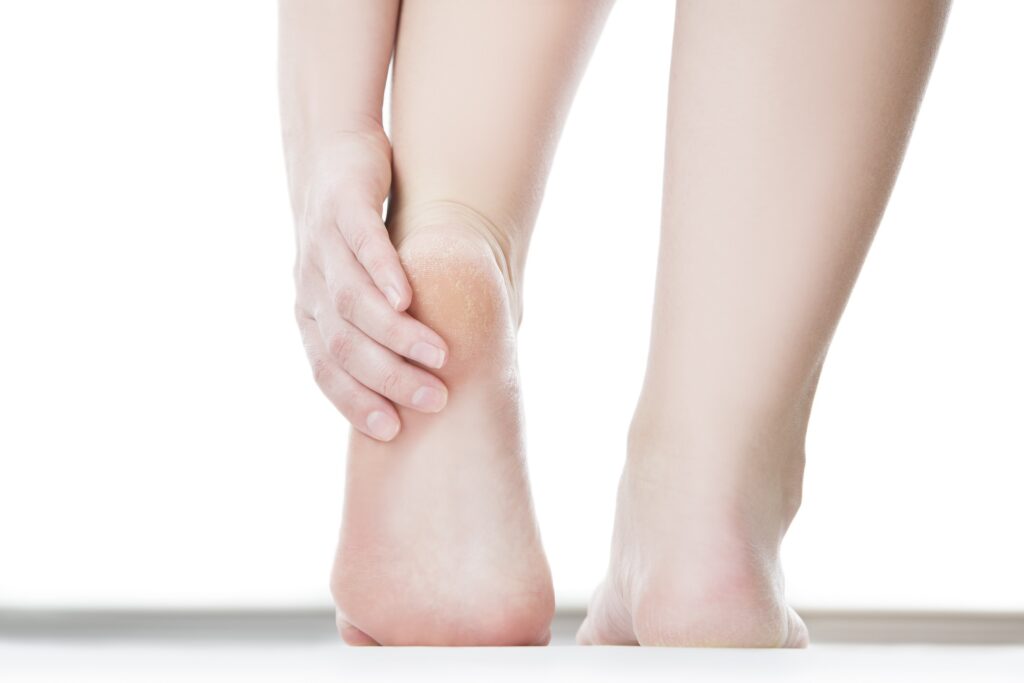
What Is the Plantar Fascia?
The plantar fascia is a thick, tough band of tissue that runs along the bottom of your foot. It starts at your heel bone, stretches across your arch, and connects to the base of your toes. Think of it as a strong rubber band that supports your arch and absorbs shock with every step.
When that band becomes irritated or inflamed, you have Plantar Fasciitis. The word “fasciitis” literally means inflammation of the fascia.
Why Is It Worse in the Morning?
When you’re sleeping, your foot is typically pointed downward, and the plantar fascia is shortened and relaxed. Over several hours, the tissue starts to heal in that shortened state. Tiny tears begin to repair, and the fascia tightens up.
Then you stand up. Suddenly, that shortened, stiff band is forced to stretch all at once. Those partially healed tears pull apart. That is the sharp pain you feel with those first steps. This is exactly why your heel hurts in the morning but less so later in the day.
As you keep walking, the fascia gradually loosens and warms up. Blood flow increases, and the pain eases. But the underlying irritation remains, which is why it comes roaring back the next morning. This cycle can repeat for weeks or even months if you don’t address the root cause.
Who Gets Plantar Fasciitis?
We see Plantar Fasciitis in all kinds of people, but certain factors make it more likely:
- Long hours on your feet: If you spend your workday standing on hard surfaces, like nurses, teachers, and retail workers, your risk goes up.
- A sudden increase in activity: If you have recently started running, joined a new fitness class, or changed your workout routine, that can trigger it.
- Extra weight: Carrying extra pounds puts more stress on the fascia with every step.
- Foot structure: Certain foot shapes, like flat feet or high arches, can change how your weight is distributed and put extra strain on the tissue.
- Tight calf muscles: This is another big contributor. When your calves are tight, your foot cannot flex properly, and the plantar fascia has to work harder.
- Age: Plantar Fasciitis is most common in people between 40 and 60 years old.
- Footwear choices: Shoes with poor arch support or worn-out soles do not give your feet the support they need.
What You Can Do About Heel Pain in the Morning
Most cases of Plantar Fasciitis respond well to conservative treatment. Here are some steps that can help with heel pain:
- Stretch before you stand: Before you get out of bed, take a few moments to stretch your calves and the bottom of your foot. A simple towel stretch, looping a towel around your toes and gently pulling them toward you, can make a real difference.
- Roll it out: Using a frozen water bottle or a tennis ball to massage the bottom of your foot can help break up tension and reduce inflammation. Roll your arch over the object for a few minutes at a time, a couple of times a day. The cold from a frozen bottle adds an extra anti-inflammatory benefit.
- Choose supportive shoes: Flimsy flats and worn-out sneakers don’t give your arch the support it needs. Look for shoes with good arch support and cushioning. Avoid walking barefoot on hard floors, especially first thing in the morning. Keep a pair of supportive slippers or sandals by your bed for those first steps of the day.
- Consider custom orthotics: For many patients, over-the-counter inserts aren’t enough. Custom orthotics are made specifically for your feet and can correct the mechanical issues that are contributing to the problem.
When to See a Podiatrist for Foot Pain
If you’ve had morning heel pain for more than a few weeks, or if it’s getting worse instead of better, it’s time to have it checked. The longer Plantar Fasciitis goes untreated, the more stubborn it becomes.
At Newtown Foot and Ankle Specialists, we offer a range of treatments, including shockwave therapy, a non-invasive option that uses sound waves to stimulate healing in chronic cases. We’ll take the time to understand your specific situation and build a plan that works for you.
Don’t let heel pain dictate how your day starts. Call our Newtown podiatrists to treat heel pain at 215.234.3772 or request an appointment online. We’re here to help you take that first step pain-free.