
If you have been living with a painful bunion, you have probably wondered what life looks like on the other side of surgery. Maybe you have put off doing anything about it because you are worried about being off your feet for months. That is understandable. Traditional bunion surgery often meant a long, difficult recovery.
But modern bunion treatment has come a long way. A Lapiplasty is designed to get you back on your feet faster and more comfortably
At Newtown Foot and Ankle Specialists, we are one of the few offices in Bucks County offering this advanced technique. Our experienced podiatrists have helped many patients from Newtown, New Hope, Yardley, and the Trenton area get lasting relief from bunion pain. Here is a realistic look at what Lapiplasty recovery typically looks like.
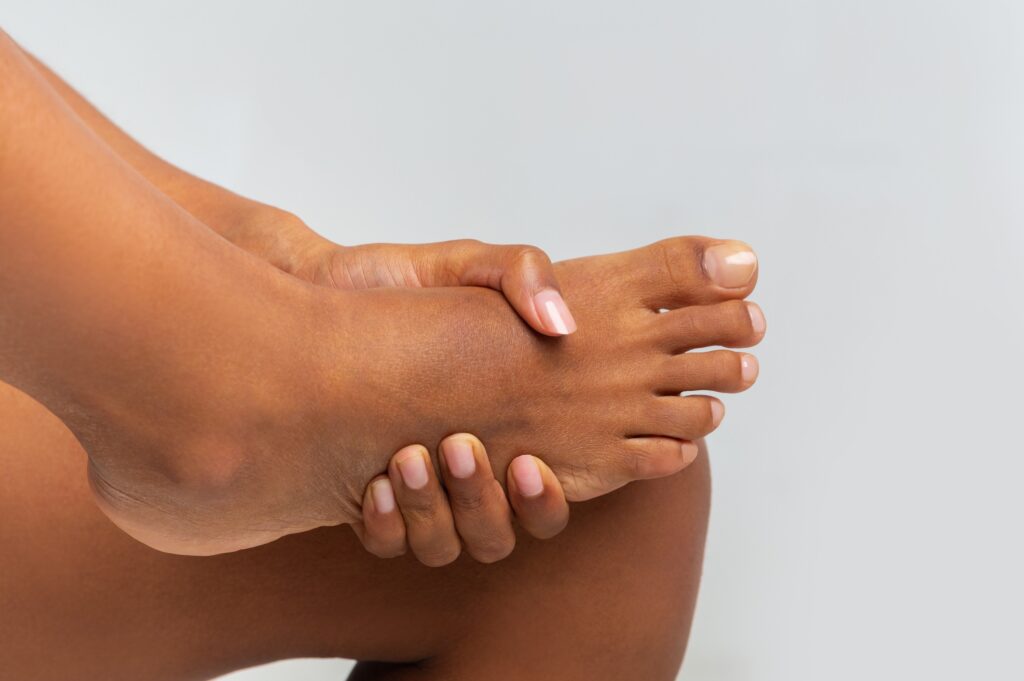
What Makes Lapiplasty Different?
Before we dive into the timeline, it helps to know why recovery is often smoother. Unlike older methods that simply shaved down the bump, Lapiplasty corrects the unstable joint at the root of the problem. It uses advanced technology to stabilize the bone in three dimensions. This means less disruption to your foot’s natural structure and often a quicker return to activity.
The First Few Days: Rest and Elevation
You will go home the same day as your outpatient procedure. Your foot will be wrapped in sterile bandages and placed in a surgical boot or splint to protect the incision.
The first 48 to 72 hours are when swelling is at its peak. Your most important job during this time is to rest and elevate your foot as much as possible. Keep it propped up above heart level whenever you are lying down. This helps drain excess fluid and reduces swelling, which speeds healing.
Your doctor will prescribe pain medication to manage discomfort, and you may be advised to use ice packs, always following your surgeon’s guidance. Expect some soreness, but many patients find it is more of an inconvenience than severe pain. This is the phase where you will rely on help from family or friends. Do not be shy about asking.
Weeks 1 to 2: Getting Moving
With many traditional procedures, patients are completely non-weight-bearing for weeks. With Lapiplasty recovery, you can typically begin putting some weight on your foot within three to ten days after surgery while wearing a walking boot.
During this phase, you will move from non-weight-bearing to partial weight-bearing. You will likely use crutches or a knee scooter for support as you get used to moving around with the boot. Keep the surgical site clean and dry, and attend your first follow-up appointment so your surgeon can monitor your progress.
One of our patients from Upper Makefield told us she was amazed she could already stand to brush her teeth by day four. Small victories matter.
Weeks 3 to 6: Walking in the Boot
By this point, you will be walking more comfortably in your boot. Your doctor will likely allow you to progressively increase the amount of weight you put on your foot. You can start doing light activities around the house, but nothing strenuous.
If non-absorbable stitches were used, they will probably be removed during this timeframe. Some doctors may recommend gentle physical therapy to start improving flexibility and range of motion, though this varies by patient. Listen to your body and your surgeon.
Weeks 6 to 8: Back in Shoes
Around the six-week mark comes a milestone many patients look forward to: transitioning back into comfortable shoes. You will gradually move out of the walking boot and into supportive, wide athletic shoes.
This does not mean you are fully healed. Your foot still needs care and protection. But it is a huge step toward feeling normal again. You might feel some stiffness or minor swelling after activity, which is perfectly normal. This is the time to invest in good-quality sneakers with plenty of room in the toe box.
Months 3 to 6: Resuming Most Activities
Most patients can resume most activities, including light sports like cycling or swimming, around three months after surgery. High-impact activities like running or jumping typically take a bit longer, usually four to six months, and should only be resumed with your doctor’s approval.
Your podiatrist in Newtown, PA, will guide you on when it is safe to ramp up. Remember, the goal is not just to heal quickly but to heal correctly so the bunion does not return.
Factors That Affect Your Timeline
Everyone heals differently. Your specific Lapiplasty recovery timeline depends on factors like:
- Your overall health and age
- The severity of your bunion
- How closely you follow your post-op instructions
- Your activity level before surgery
If you work a desk job, you might return to work within one to two weeks with your foot elevated. If your job requires standing or physical labor, expect four to six weeks before returning. We will help you navigate those decisions based on your unique situation.
When to Call Your Surgeon
While some discomfort is normal, contact our office right away if you experience:
- Severe or worsening pain not relieved by medication
- Signs of infection, such as increased redness, warmth, fever, or unusual drainage
- Numbness or color changes in your toes
Ready to Take the Next Step?
If you’re considering bunion surgery in Newtown, PA, and want to know if Lapiplasty is right for you, give our Newtown office a call or request an appointment online. We’ll walk you through every step of the process.