
Ingrown toenails can be a painful and frustrating condition that affects many people. They occur when the edges of a toenail grow into the surrounding skin, leading to discomfort, inflammation, and sometimes infection. At Newtown Foot and Ankle Specialists, we have several effective strategies to help prevent ingrown toenails and maintain healthy feet. Our podiatrists are here to share practical tips to keep your feet comfortable and healthy.
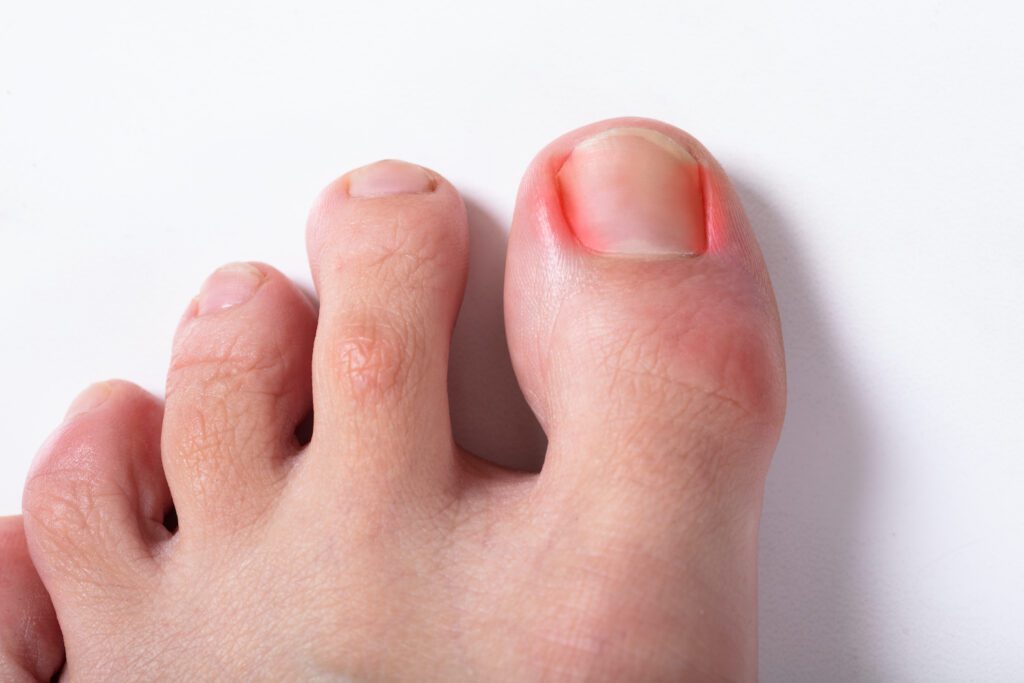
6 Tips to Prevent Ingrown Toenails
Ingrown nails can happen to anyone, whether you’re a runner, a teacher on your feet all day, or someone who just happens to have naturally curved nails. But certain things like tight shoes, improper trimming, or even a minor stubbed toe can increase your risk of an ingrown. Our Newtown podiatrists recommend that you follow these tips to prevent ingrown toenails.
Choose the Right Footwear
One of the most important ways to prevent ingrown toenails is selecting appropriate footwear. Shoes that are too tight or narrow can put pressure on your toes, increasing the likelihood of nails growing into the skin. Opt for shoes that provide ample room in the toe box and allow your toes to move freely. Look for footwear made from breathable materials, which can help keep your feet comfortable and dry.
Trim Your Toenails Properly
How you trim your toenails plays a significant role in preventing ingrown nails. Always cut your nails straight across instead of rounding the edges. This helps avoid the nails growing into the skin. Use sharp, clean nail clippers and avoid cutting them too short. Ideally, leave a little bit of white nail visible beyond the tip of your toe. If you’re unsure about your nail trimming technique, consider visiting a podiatrist for guidance.
Keep Your Feet Clean and Dry
Maintaining foot hygiene is essential in preventing ingrown toenails. Wash your feet daily with soap and water, ensuring you dry them thoroughly afterward, especially between the toes. Moisture can promote bacterial growth and increase the risk of infection. If you sweat excessively, consider using footpowder to keep your feet dry.
Protect Your Feet
If you’re involved in activities that may injure your toes—such as sports or construction work—wear protective footwear to safeguard against trauma. Even minor injuries can lead to ingrown toenails, so taking precautions is vital. Additionally, if you have any existing foot conditions, such as bunions or hammertoes, seek professional advice to address these issues.
Monitor Your Toenails
Regularly check your toenails for signs of ingrowth or infection, such as redness, swelling, or pain. Early detection can make a significant difference in preventing further complications. If you notice any issues, consult a healthcare professional promptly to prevent the problem from worsening.
Be Mindful of Your Activities
Long runs, basketball, or even standing on ladders for hours can put repeated pressure on your toes. If you notice soreness after certain activities, try:
- Gel toe pads or soft orthotics
- Taking brief breaks to relieve pressure
- Wearing activity-specific shoes (e.g., running shoes for running, not casual sneakers)
When to Stop Treating An Ingrown at Home
Sometimes, despite your best efforts, an ingrown toenail gets worse. If you see pus, spreading redness, or the pain becomes intense, it’s time to call a professional. This is especially true if you have diabetes or circulation issues.
At Newtown Foot and Ankle Specialists, we’ve helped countless patients from Newtown, New Hope, Upper Makefield, and the Trenton area get fast relief. In many cases, we can fix the problem right in our office with a minor, nearly painless procedure.
Get Professional for a Painful Ingrown Nail
Ignoring an ingrown toenail won’t make it go away. It’ll likely get more painful, more swollen, and harder to treat. The podiatry team at Newtown Foot and Ankle Specialists is here to help you get back on your feet.
If you suffer from an ingrown toenail, Newtown Foot and Ankle Specialists are here to help. Contact us today at 215.234.3772 to schedule a consultation and see which treatment is right for you.